
Search

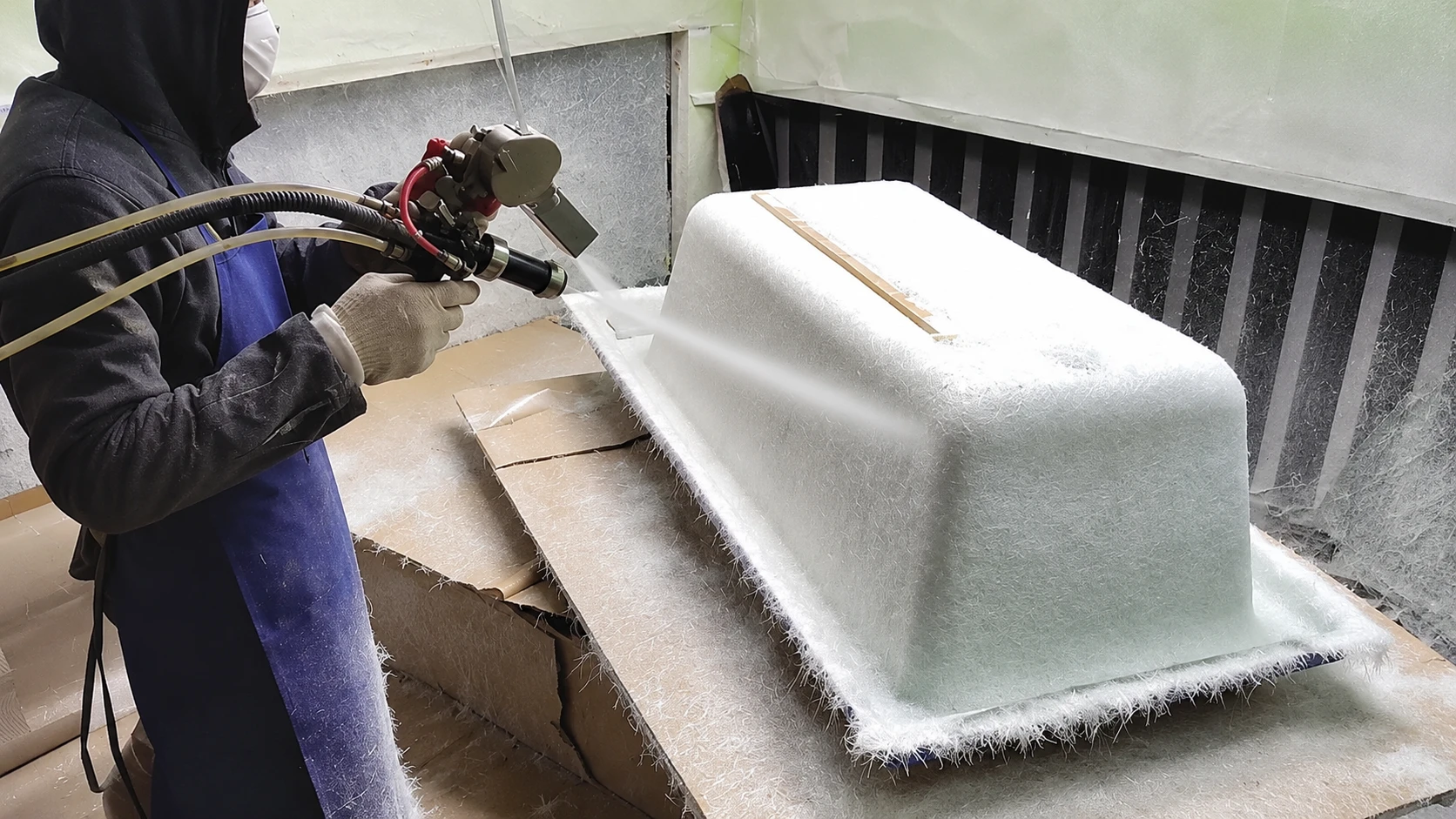
The key design feature of a contemporary bathroom is a free standing bathtub. It incorporates a sense of style into a bathing area as well as functionality in its shaping. When it comes to homeowners and designers who want to look into the options of freestanding bathtubs India, then one of the biggest choices to make is the material. There are advantages to each of the materials and knowing them can assist you in making a wiser investment. Together with that, one can find out how to preserve and wash those bathtubs so that they could last long and look good.
The main aspects to consider when choosing freestanding bathtubs India lie in the area of material as it determines durability, heat retaining capacity, weight and easiness of maintaining. Some of the commonly used materials are as pointed out below:
One of the most sought after materials used in freestanding bathtubs India is acrylic. It is cost-effective, and is light in weight thus giving manufacturers an opportunity to sell in a large variety of forms and designs. Acrylic bathtubs are non-porous, and therefore remain easy to clean and they store a lot of heat. Nevertheless, they are susceptible to scratches; hence cleaning is recommended to be gentle.
The cast iron bathtubs possess a reputation of their flexibility and strong warmth storage capability. These tubs are enameled hence they can neither stain nor suffer any wear and tear. Nevertheless, many customers on freestanding bathtubs India markets like them because of durability and vintage style even though they are heavier and need ground support underneath.
The solid surface bathtubs are prepared by a mixture of natural minerals and resins. They are smooth with a stone texture with a smooth finish. Such bathtubs are sturdy, can hold heat easily, and can be fixed easily should small damages occur. In the standalone bathtub India market segment, there is a growing popularity of solid surface installations on ultra high end applications.
Stone resin is another sturdy option, often found in modern bathroom setups. It mimics natural stone but is lighter and more affordable. Stone resin freestanding bathtubs offer great heat retention, a matte finish, and a luxurious feel. For users in freestanding bathtubs India, this material offers a balance between durability and contemporary aesthetics.
These materials are used less frequently but offer a unique look. Copper has natural antibacterial properties and develops a patina over time, while stainless steel offers a more industrial feel. While not common in the freestanding bathtubs India market, they are sometimes used in designer settings where a standout element is needed.
Regardless of the material, keeping freestanding bathtubs India clean and well-maintained ensures its longevity and visual appeal. Here are some basic guidelines:
Choosing the right material for your freestanding bathtubs India is a decision that affects not just the look of your bathroom, but also the bathtub’s performance and maintenance needs. Whether you prefer the lightness of acrylic, the strength of cast iron, or the premium touch of solid surface, understanding the pros and cons helps you choose wisely. With regular care and proper cleaning methods, your freestanding bathtubs India can offer a relaxing and luxurious experience for years to come.
See similar blogs
Ice Baths: Should You Really Be Doing It After Your Workout?

Top Bathroom Tub Faucet Trends for 2025
Why Traditional Bathtubs Are Risky for Seniors
The Health Benefits of Hydrotherapy in a Luxury Bathtub
Why a Freestanding Bathtub with Shower Is the Perfect Bathroom Upgrade?
How Do the Best Bathtubs in India Transform the Bathrooms?
How an Exclusive Bath Tub Enhances Wellness and Relaxation?